
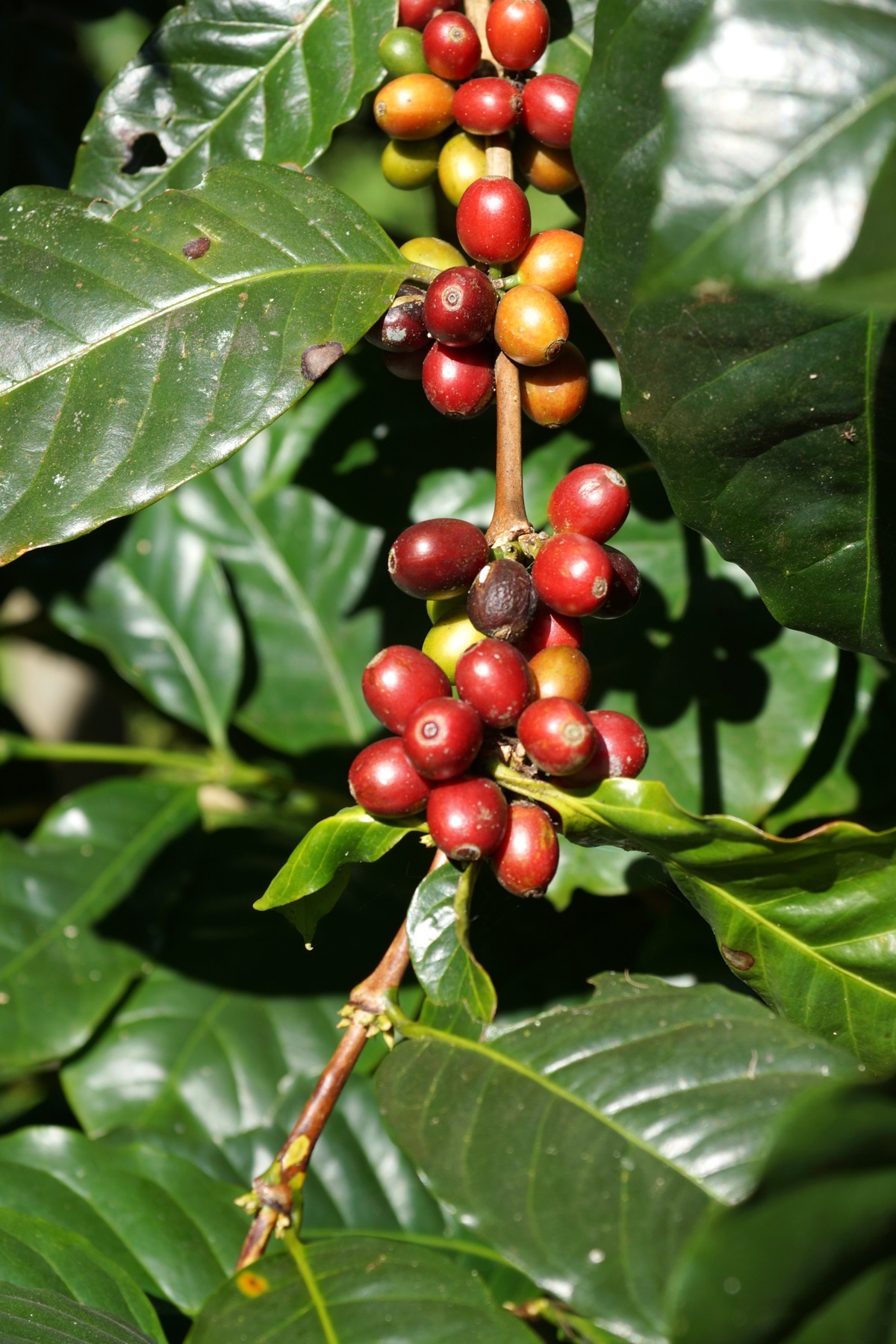
How to Choose Specialty Coffee — A Beginner's Guide
Process, origin, roast date, altitude — what to actually look for when buying specialty coffee for the first time.
Walking into a specialty coffee shop or browsing an online roaster for the first time can be overwhelming. Tasting notes that read like a sommelier's notebook, roast levels you didn't know existed, and prices that range from reasonable to confusing. Here's a plain-language guide to actually understanding what you're buying.
Start with: what do you want the coffee to do?
Before looking at any bag, answer two questions:
- How do you brew it? Pour over, French press, espresso, drip machine, cold brew?
- What do you like to taste? Fruity and bright? Chocolatey and rich? Balanced and smooth?
These two answers narrow down your choices faster than any other factor.
The things that actually matter on a coffee label
1. Roast date — the most important thing
Specialty coffee is at its best between 5 days and 4 weeks after roasting. If a bag doesn't have a roast date (only a "best by" date), the roaster is hiding information from you. Buy from roasters who print the roast date prominently.
2. Origin — country and region
"Single origin" means the coffee comes from one specific place. "Costa Rica, Tarrazú" is more specific than "Costa Rica," which is more specific than "Central American blend." The more specific, the more traceable and distinctive the flavor.
3. Processing method
This is how the fruit is removed from the bean before roasting:
- Washed: Clean, bright, high acidity. The origin character shines clearly.
- Natural: Heavy body, intense fruit, sometimes fermented. More polarizing.
- Honey: The middle path. Natural sweetness, stone fruit, smooth body. Very approachable.
If you're new to specialty coffee, start with honey process — it's the easiest to enjoy immediately.
4. Roast level
- Light: Preserves the origin character. Bright, fruity, complex. Best for pour over.
- Medium: Balanced. Caramel and chocolate notes develop. Works for everything.
- Dark: Roast dominates. Origin character mostly gone. Better for espresso with milk.
5. Altitude
Higher altitude = more complexity. Beans grown above 1,200m (like most Costa Rican specialty coffee) develop more slowly and pack more sugars and acids. Look for altitude on the label if it's there — it's a quality signal.
6. Variety
Coffee has varieties like wine grapes. Caturra, Catuaí, and Gesha are common ones you'll see. This matters more as you get deeper into specialty coffee — for now, focus on origin and process first.
Tasting notes — how to read them
"Notes of blood orange, jasmine, and brown sugar" sounds pretentious until you understand what it means: these are the naturally occurring flavors in the coffee — no added ingredients. Good specialty coffee genuinely tastes of fruit, chocolate, or nuts depending on where it's grown and how it's processed.
Don't try to taste every note the roaster lists. Instead, ask: does this cup taste bright or heavy? Sweet or bitter? Fruity or chocolatey? Over time your palate develops and the notes start making sense.
How to buy well
- Buy from a roaster who prints the roast date, not just a best-by date.
- Buy whole bean, grind at home (even a $30 hand grinder is worth it).
- Start with a medium roast honey process from a known region — like Costa Rica Tarrazú or Valle Central. It's the most forgiving and enjoyable starting point.
- Don't buy more than you'll drink in 3 weeks. Fresh coffee matters more than anything else.
What to ignore
- Fancy packaging: A kraft bag with a roast date and origin beats an impressive tin with no information.
- Marketing claims like "premium" or "gourmet": These words mean nothing without specifics.
- Price alone: Some excellent coffees are affordable. Some expensive coffees are mediocre. The label tells you more than the price.
A great place to start: Costa Rican honey process
We're launching with single-origin Costa Rican coffee — roasted fresh, with full origin information on every bag. Join the waitlist.
Join the U.S. Waitlist